Category
CraftCountry
KoreaGenre
Experimental & Hybrid Craft, Objects & Sculptural Craft, Ceramics & Pottery
I’m Sung youn Jung, a ceramic artist and the creator behind The Jagi, a pottery studio whose name means “adding ceramics to everyday life.”
Currently, I focus on creating planters using Onggi, a traditional Korean earthenware material. Onggi has been used continuously since the Neolithic era and is both scientifically advanced and highly practical. In Korea, Onggi is often called a “breathing container.” This is because its inner walls contain microscopic pores that allow air to pass through while retaining moisture. As a result, the contents inside can be preserved for a long time in their natural state. For the same reason, planters made from Onggi provide an ideal environment for plants — their roots don’t rot easily, and they thrive especially well indoors, making Onggi planters perfect for natural plant interior design that benefits both people and plants.
The forms of The Jagi planters slightly depart from typical planter shapes — they are subtly reduced, twisted, and reimagined to create visual intrigue. These intentionally imperfect, unfinished forms invite gardeners to complete them through the act of planting, allowing nature to bring the final sense of wholeness.
In 2023, my work “Onggi Planter” was honored with the Silver Award in the Product Design category at the Global Design iT Award, organized by the Korean Federation of Design Industry Associations (KODIA).
In November 2025, I held a month-long collaborative pop-up exhibition with a plant creator at Hyundai Department Store Jungdong Branch in Korea.
Experimental & Hybrid Craft, Objects & Sculptural Craft, Ceramics & Pottery
Craft
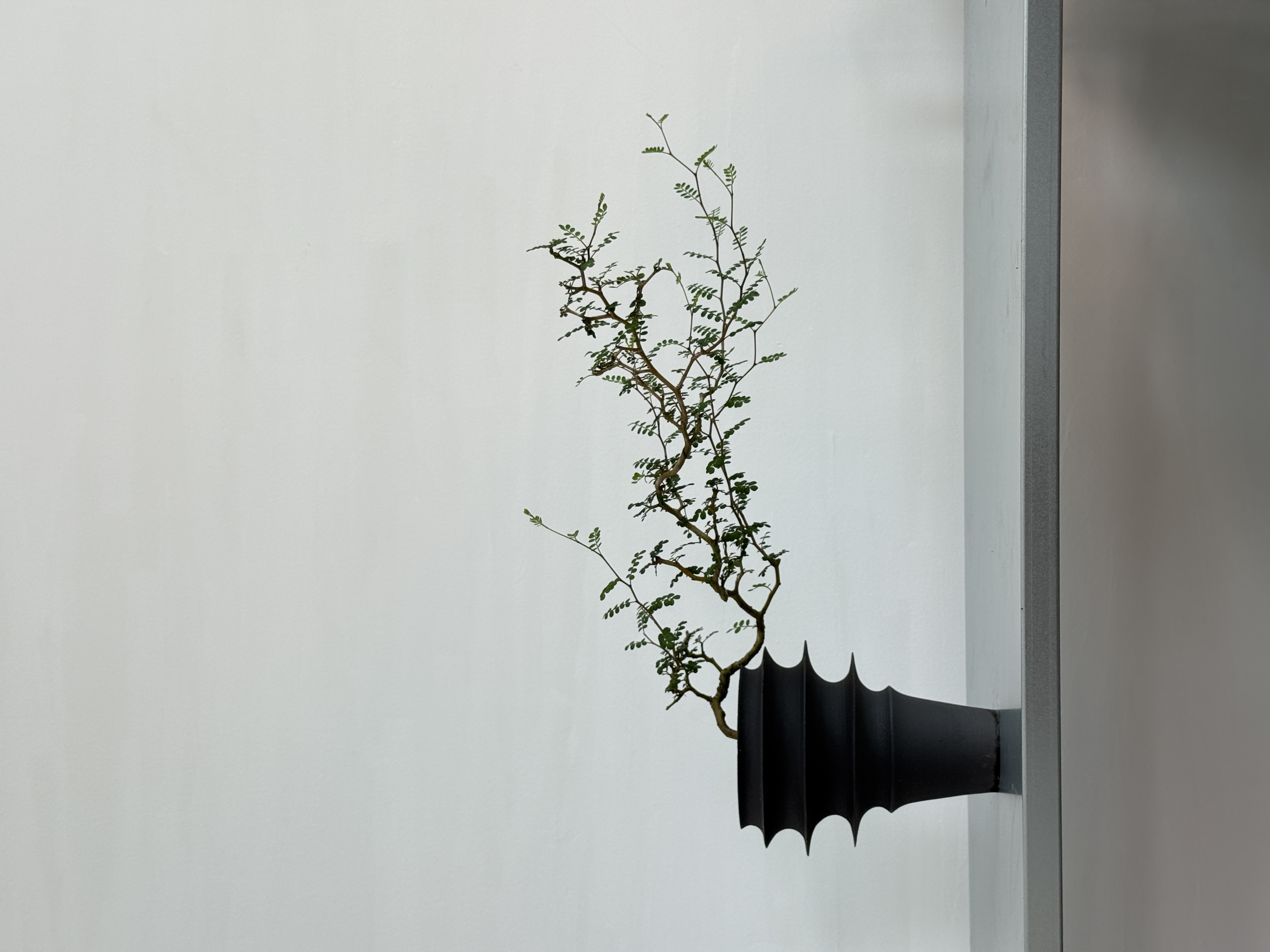
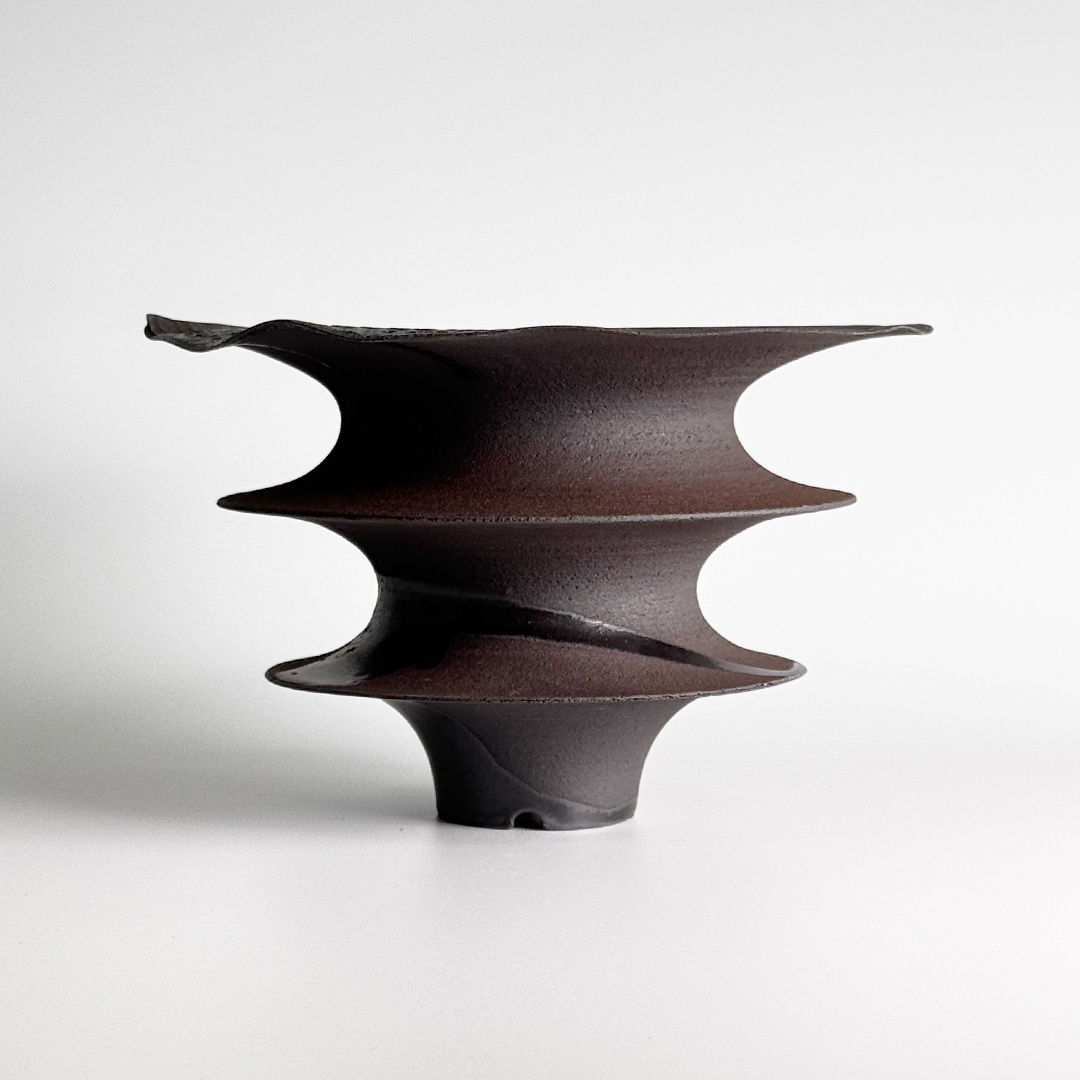
The design was inspired by the shapes of plant leaves and thorns. Countless veins spread across a leaf’s surface, and to capture this, glaze was poured and splattered over the piece. This also expresses the pulsating vitality of living organisms.
Production Year: 2025
Production Technique: After wheel-throwing, it is dried and fired in the kiln at 1180°C.
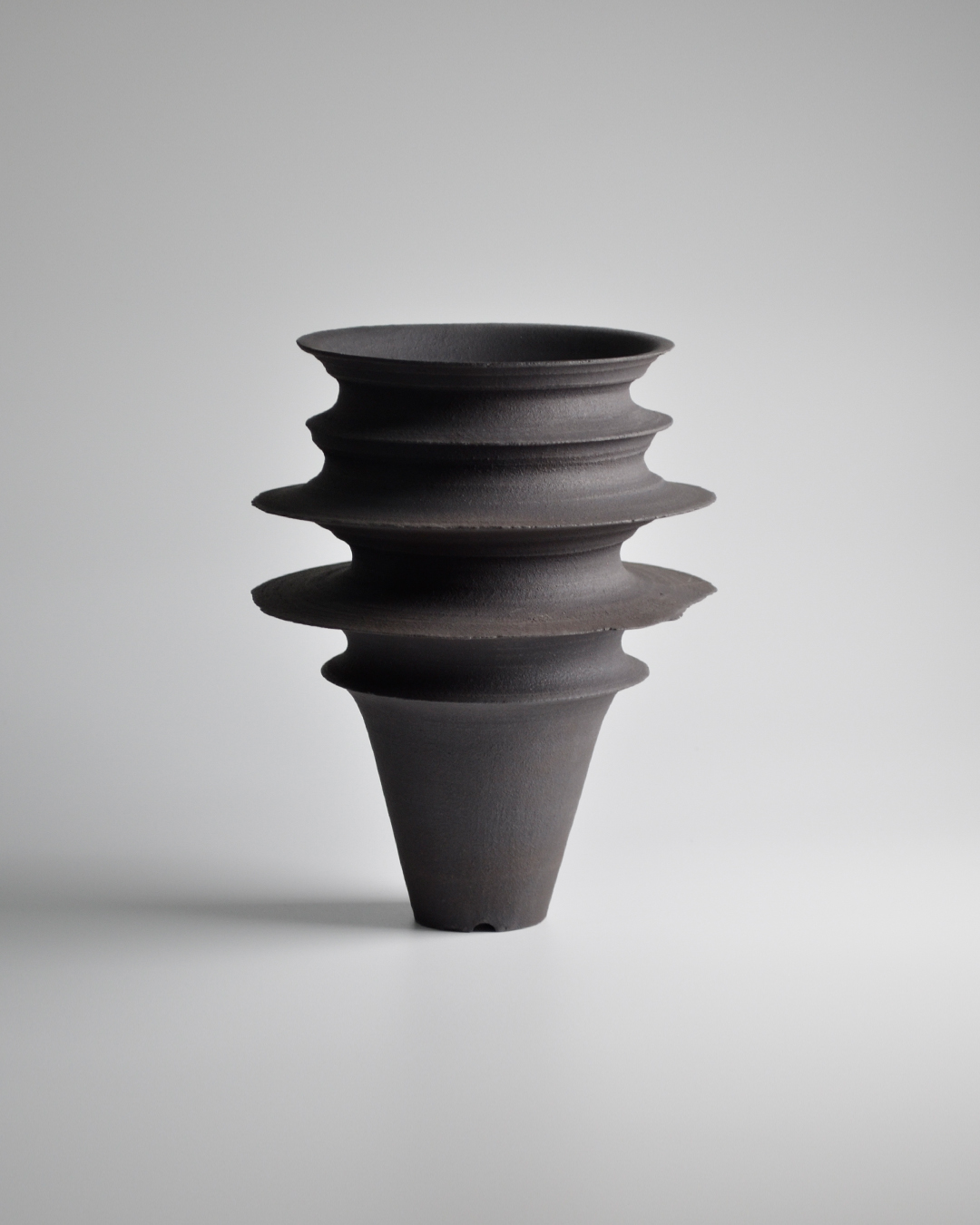
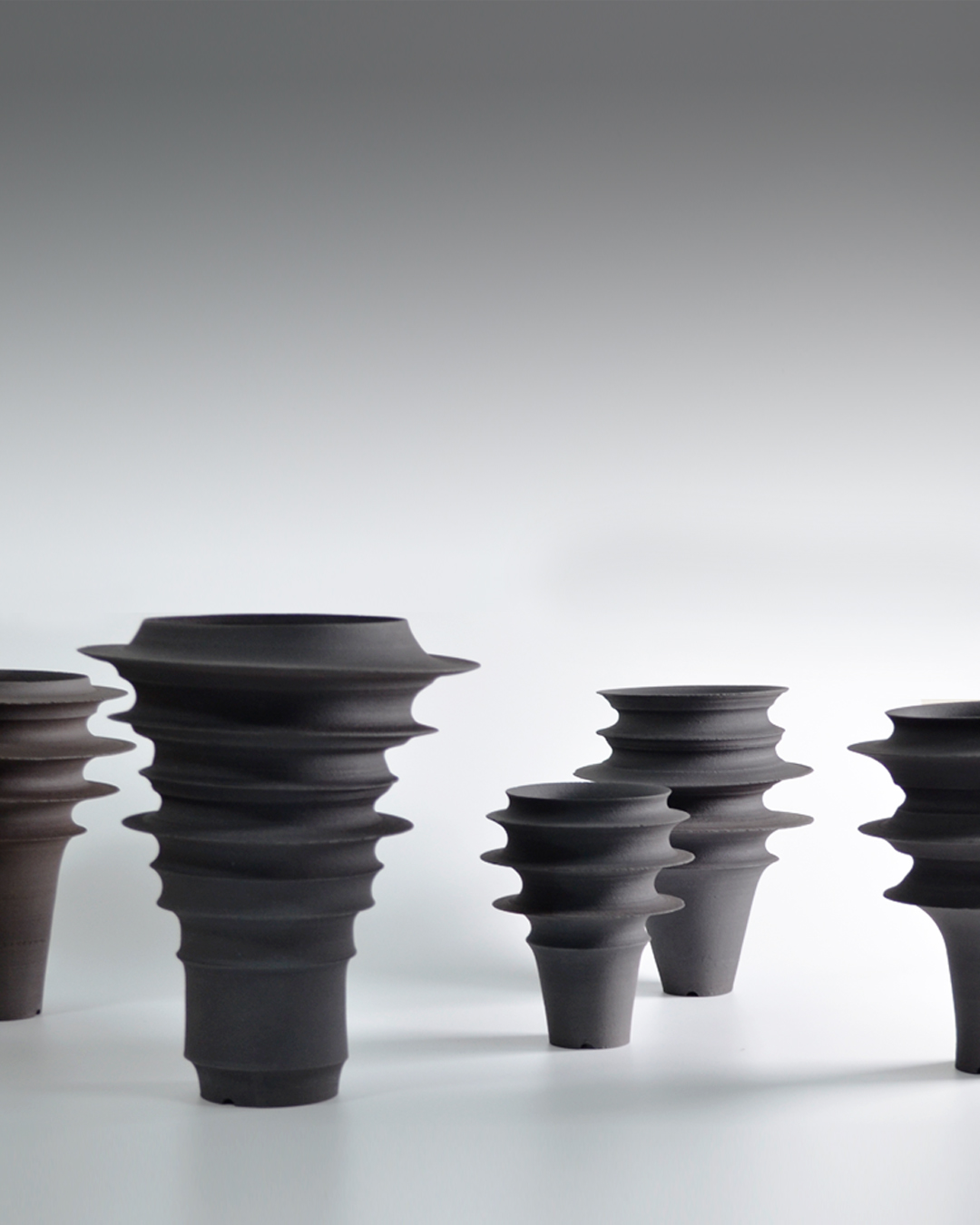
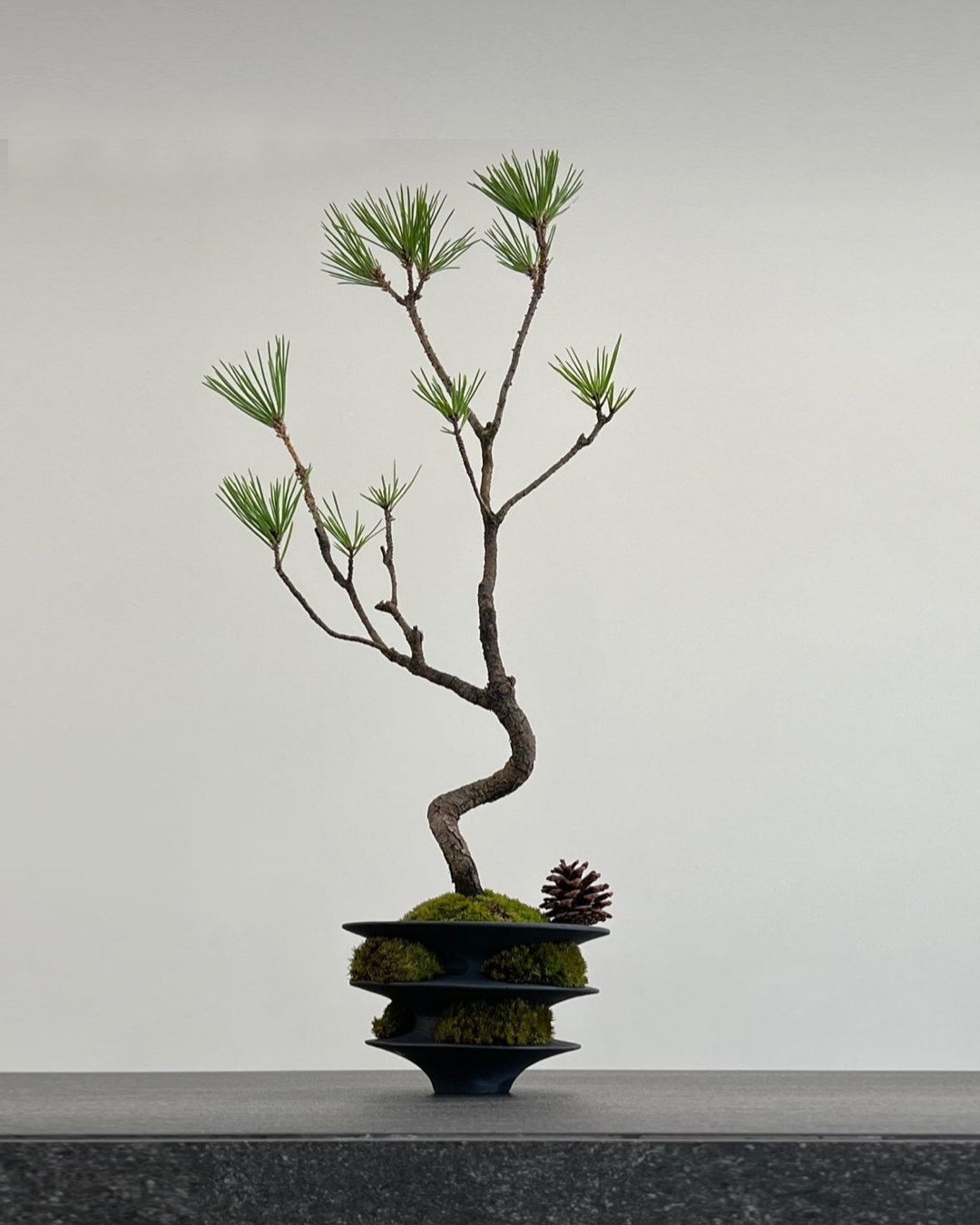
The design was inspired by traditional Korean ink wash paintings. In particular, landscapes from the Joseon Dynasty were painted with bold black brushstrokes to depict mountains and trees. I sought to express this painting technique through ceramics. When several planters of similar shapes are layered and arranged together, they serve as an object reminiscent of a landscape painting.
Production Year: 2025
Production Technique: After wheel-throwing, it is dried and fired in the kiln at 1160°C.
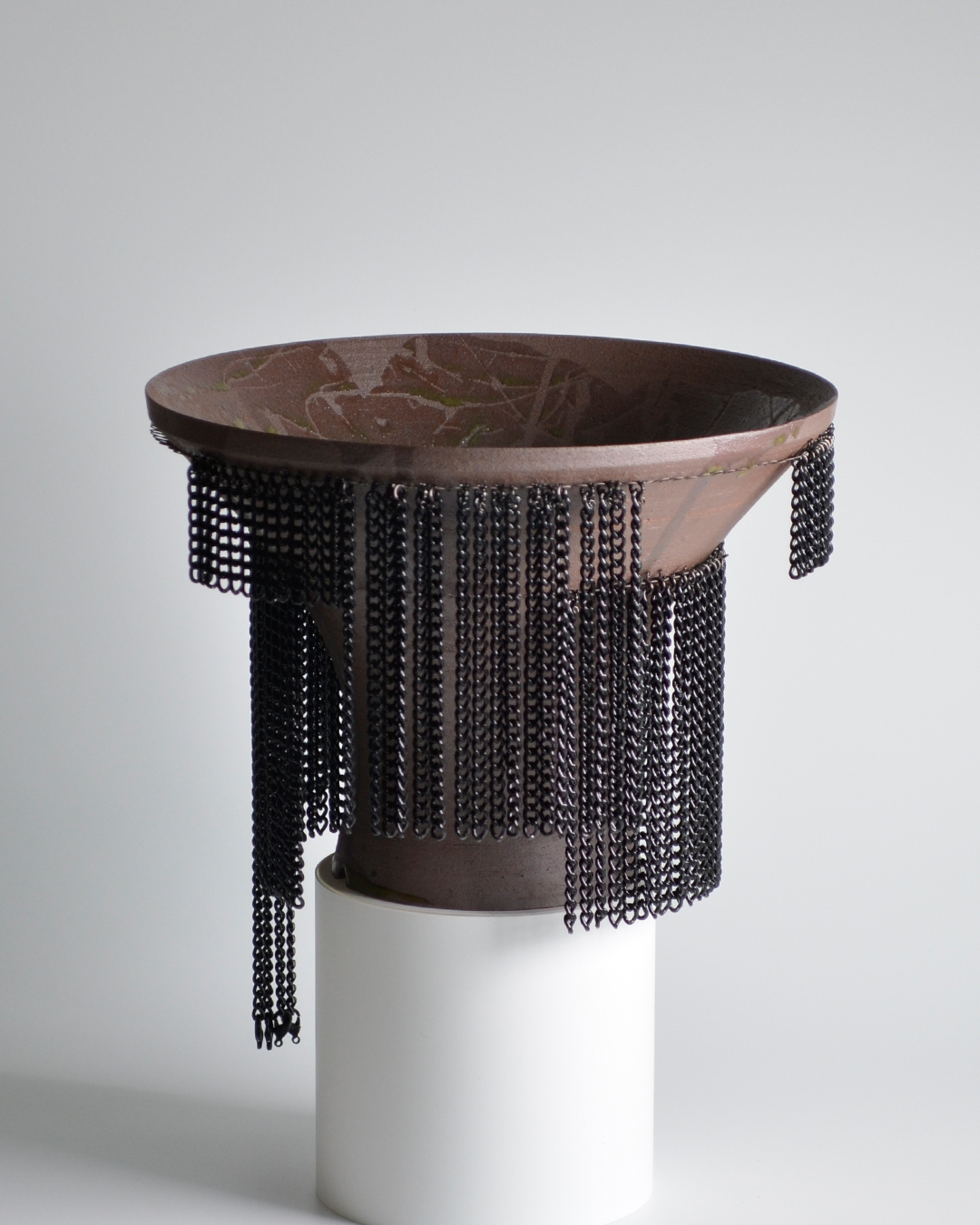
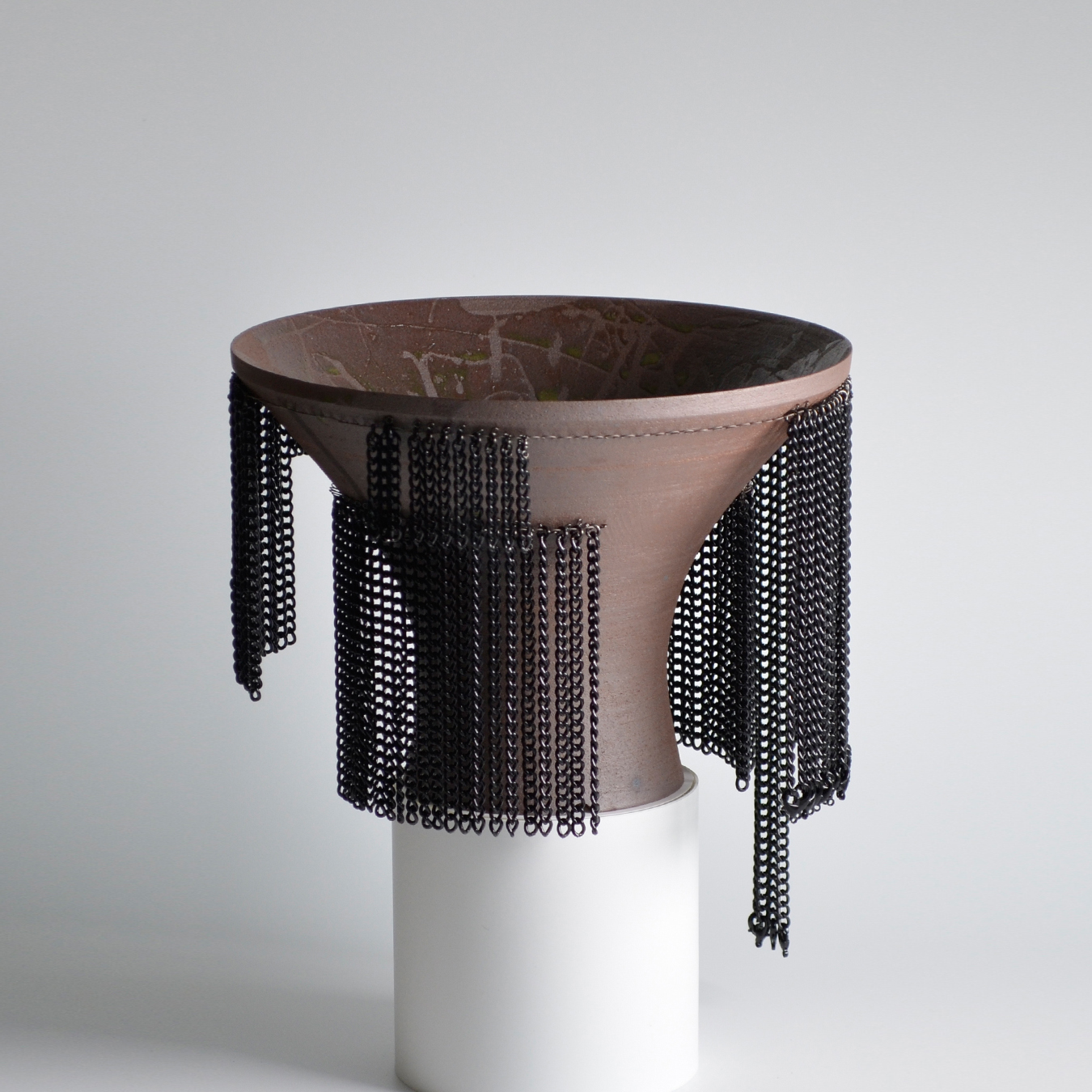
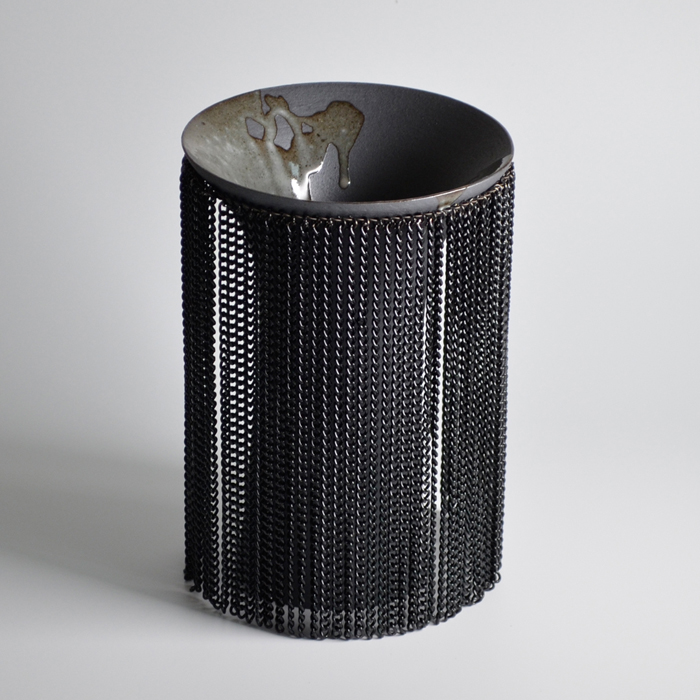
In recent years, the authoritarian politics of supreme leaders have become a major issue in many countries. Regardless of right or wrong, or personal interests, I felt fear and frustration as a citizen merely watching these events unfold. Through my work, I sought to express the absolute power and sense of fear that a nation's highest authority can evoke.
The black chains wrapping around the body symbolize oppression and the extension of influence exerted outward. They can also be displayed by connecting the chains to nearby plants or planters.
Production Year: 2025
Production Technique: After wheel-throwing, it is dried and fired in the kiln at 1160°C. Then, a metal chain is woven into the main body.
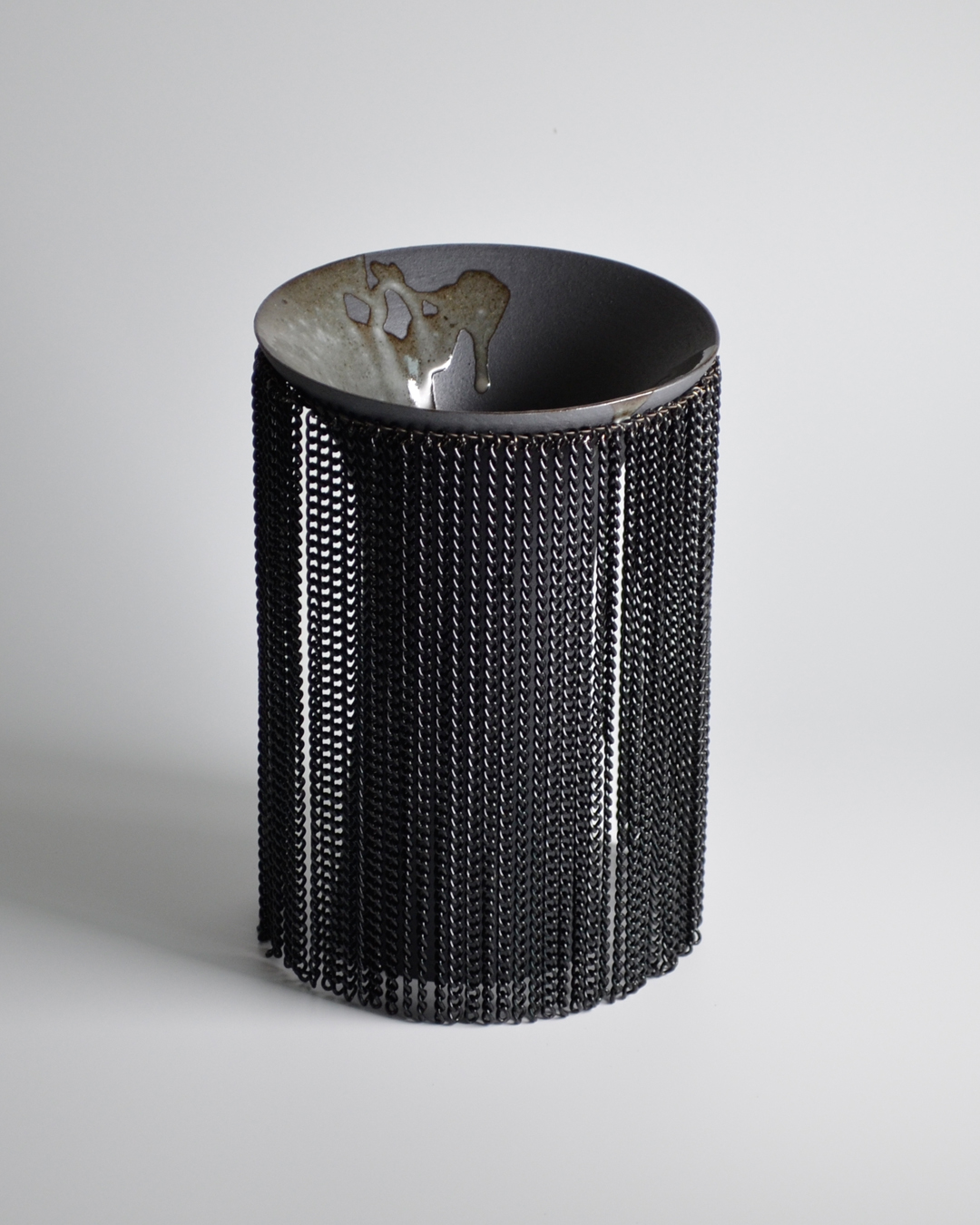
In recent years, the authoritarian politics of supreme leaders have become a major issue in many countries. Regardless of right or wrong, or personal interests, I felt fear and frustration as a citizen merely watching these events unfold. Through my work, I sought to express the absolute power and sense of fear that a nation's highest authority can evoke.
The black chains wrapping around the body symbolize oppression and the extension of influence exerted outward. They can also be displayed by connecting the chains to nearby plants or planters.
Production Year: 2025
Production Technique: After wheel-throwing, it is dried and fired in the kiln at 1160°C. Then, a metal chain is woven into the main body.